

Key Takeaways
- Hip fractures and cognitive changes are more connected than most people realize.
- Reduced mobility and social isolation after a fracture can affect mental sharpness.
- Pain management and certain medications may also play a role in brain wellness.
- Knowing the signs of cognitive change early can make a meaningful difference.
- The right senior living support—including assisted living and memory care—can support recovery and connection.
The Link Between Hip Fractures and Brain Health
A hip fracture feels like a physical problem. You focus on the bone, the surgery, the steps needed to get moving again. But what many families don’t immediately notice is what can happen to the mind during that same window of time.
Hip fractures can set off a chain reaction that affects cognitive health—and catching that connection early opens the door to better support, stronger recovery, and a fuller life. The recovery period alone—marked by pain, limited movement, and disrupted routine—can put real pressure on the brain. At Juniper Village at Hamilton, understanding that full picture is part of how support is shaped—and the assisted living and personal care approach reflects that. It’s worth understanding why, and what you can do about it.
Why Older Adults Face Higher Risks After a Hip Fracture
The Role of Reduced Mobility
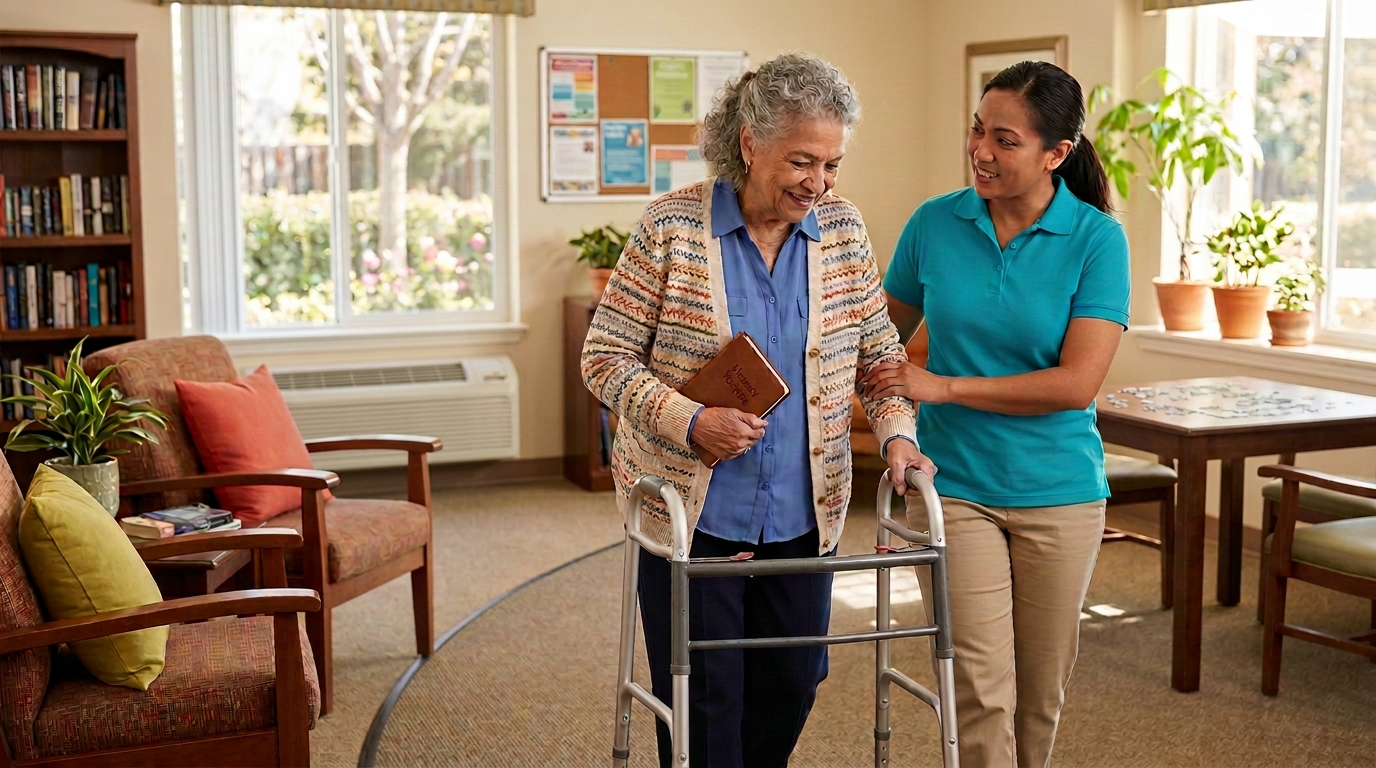
When movement becomes limited after a hip fracture, the ripple effects go well beyond the physical. Getting out less often means fewer chances to share a meal with a friend, take a slow walk through a tree-lined neighborhood, or simply feel the rhythm of a daily routine. That kind of social withdrawal doesn’t just feel lonely—it can actively affect mental sharpness over time.
Isolation is one of the more overlooked contributors to cognitive change in older adults. When the world gets smaller after an injury, the brain gets less stimulation—and stimulation is exactly what keeps it humming. Staying connected to people, places, and purpose isn’t a luxury during recovery. It’s part of the process.
How Pain and Medication Factor In
Managing pain after a hip fracture often involves medication—and while that’s a necessary part of healing, it’s worth paying attention to how certain prescriptions affect mental clarity. Some pain medications can cause fogginess, drowsiness, or confusion, especially in older adults who may be more sensitive to their effects.
These side effects can be easy to miss or chalk up to “just being tired.” But if you notice a loved one seeming less sharp than usual after starting a new medication, that’s something worth bringing up with their care team. Small adjustments can make a noticeable difference in how clear and present someone feels day to day.
Signs of Cognitive Change to Watch For
After a hip fracture, it helps to know what to look for. Cognitive changes don’t always announce themselves loudly—sometimes they show up as small shifts that are easy to dismiss. Keep an eye out for:
- More frequent forgetfulness or moments of confusion that feel new or unusual.
- Changes in mood, sleep patterns, or the ability to stick to a daily routine.
- Slower response times or trouble staying focused during conversation.
None of these signs automatically mean something serious is happening. But noticing them early means you can respond early—and that matters. The difference between normal forgetfulness and deeper cognitive change isn’t always obvious, which is why your awareness is one of the most powerful tools in the mix. Whether it’s a conversation with a doctor, a change in environment, or simply more social engagement, acting on what you notice can open up meaningful options.
How the Right Senior Living Support Can Help
Personal Care and Daily Assistance
Recovery after a hip fracture goes more smoothly when the day-to-day doesn’t feel like a struggle. Assisted living can offer hands-on support tailored to exactly what someone needs—help with movement, medication management, or simply having someone nearby when the morning feels harder than usual. That kind of personalized care can reduce stress and free up energy for the things that actually feel good.
For those navigating cognitive changes alongside physical recovery, memory care offers a thoughtful, structured layer of support. It’s not about doing everything for someone—it’s about being present in the right way at the right time. That balance is where real comfort lives.
Social Connection as Part of Recovery
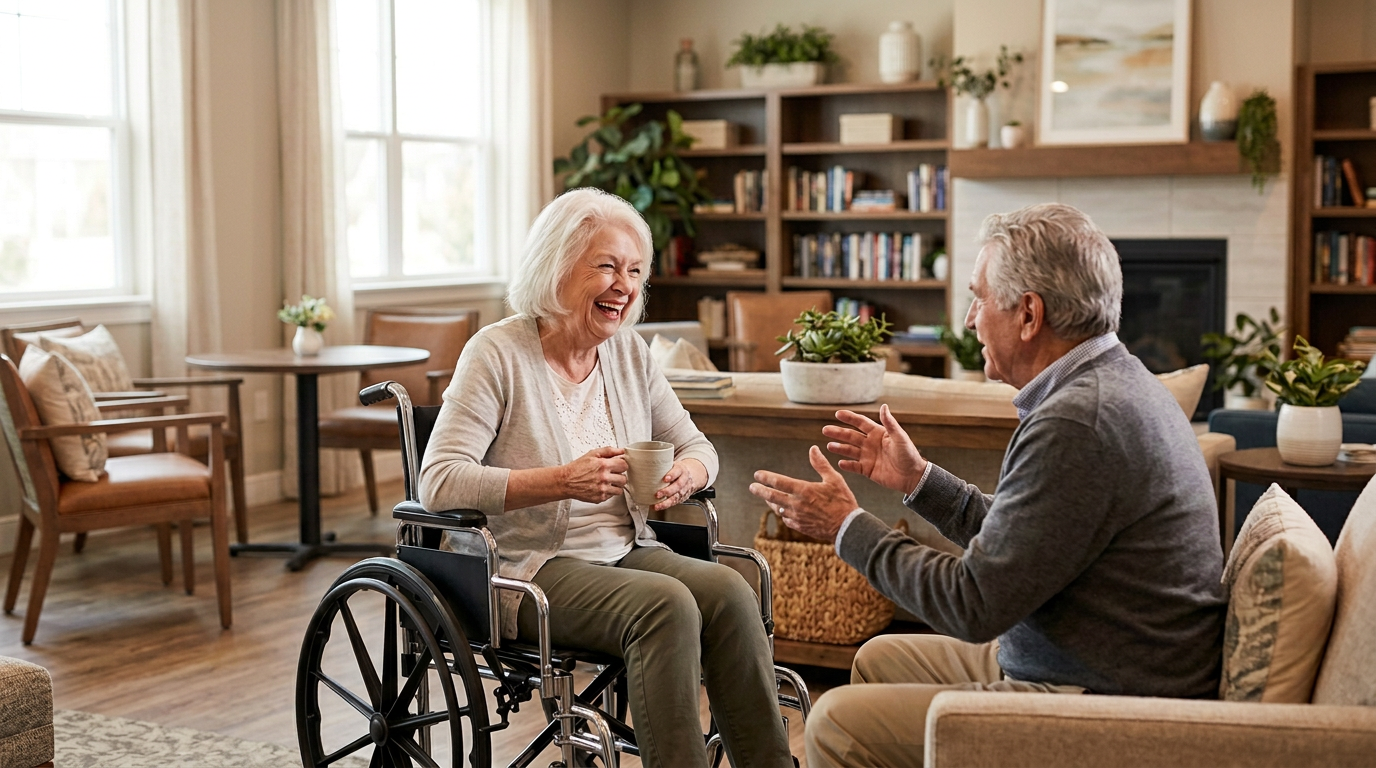
There’s something that happens when you’re surrounded by warm, familiar faces and an environment that invites you to participate. Shared meals, light activity, laughter in the common room—these aren’t extras. They’re fuel for the brain and the spirit. Community engagement plays a real role in supporting mental wellness after an injury like a hip fracture.
An active, connected environment makes it easier to rebuild a sense of ease in daily life and maintain the kind of stimulation that keeps the mind engaged. The social side of recovery is just as valuable as the physical side.
What to Consider When Exploring Senior Living Options
If you’re starting to think about next steps, here are a few things worth keeping in mind as you explore your options:
- Look for communities that offer both assisted living and memory support under one roof—so care can grow with changing needs
- Ask about personalized well-being assessments that go beyond a checklist and actually reflect personal differences
- Pay attention to the energy of a community—warmth and connection matter just as much as the level of care offered
At Juniper Village at Hamilton, our goal is always for each person to thrive—not just recover. If hip fracture recovery has raised questions about cognitive health or the right next step, this could be a meaningful conversation worth starting.
Contact us to learn more and schedule a tour, so you can see the support we offer in person.